
Winter has a profound effect on the art of hunting, transforming the landscape into a challenging yet rewarding playground for both seasoned hunters and nature enthusiasts. As the cold season settles in, a myriad of changes occur, influencing the behavior of wildlife and the strategies employed by hunters.
Key Considerations
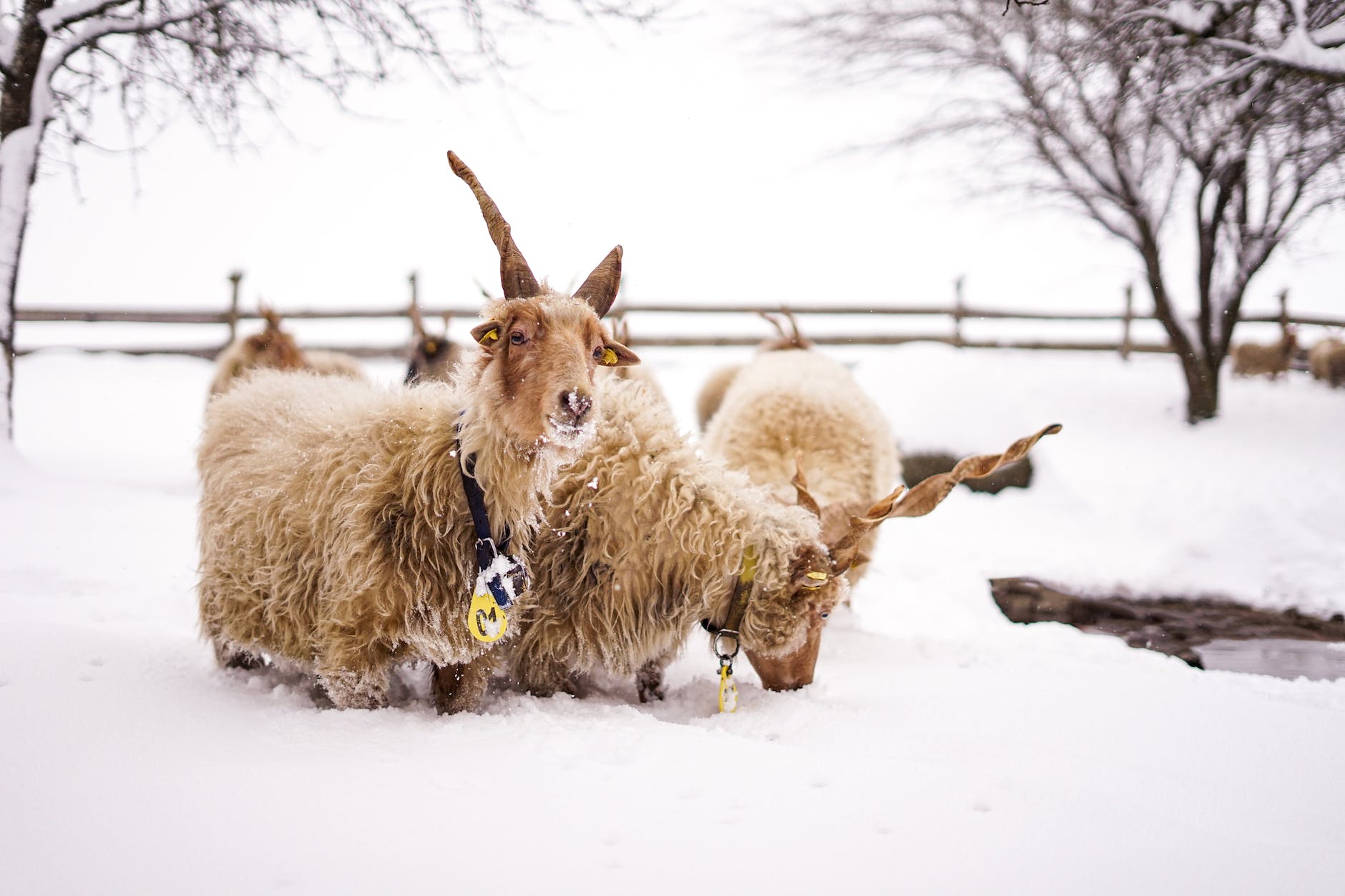
Firstly, the scarcity of food forces animals to migrate or alter their foraging patterns, making them more predictable targets for hunters. The reduction in foliage and the exposure of tracks in the snow provide valuable clues, aiding hunters in their pursuit. The winter months also witness an increase in the visibility of animals against the snowy backdrop, enhancing the chances of a successful hunt.
Moreover, the harsh winter conditions test the physical and mental endurance of hunters. The biting cold, the treacherous terrain, and the limited daylight hours all contribute to the challenging nature of winter hunting.
This necessitates careful planning, specialized gear, and adaptability to changing weather conditions. The ability to navigate through deep snow, track animals, and remain patient in the quiet stillness of the winter landscape becomes crucial for success.
Additionally, the winter season presents unique opportunities for hunting certain species. For instance, the mating season for deer often occurs during this time, making it an optimal period for deer hunting. The absence of foliage allows hunters to spot game from a distance, increasing the chances of a successful shot.
The Survival and Success Kits

Hunting during winter requires careful preparation to ensure a safe and enjoyable experience in often challenging conditions. Here’s a comprehensive list of items you should consider taking along when hunting during the winter:
Firearms and Ammunition
Appropriate Firearm: Choose a firearm suitable for the game you’re hunting and legal in your area.
Ammunition: Carry enough ammunition for your hunt, and store it in a secure and dry container.
Clothing
Layered Clothing: Wear multiple layers to trap heat. Base layers for moisture-wicking, insulating layers for warmth, and waterproof outer layers.
Insulated Boots: Keep your feet warm and dry with insulated, waterproof boots suitable for the terrain.
Gloves and Mittens: Bring both for dexterity and warmth. Consider insulated, waterproof options.
Hat and Neck Gaiter: Protect your head and neck from cold winds. A hat that covers your ears is crucial.
Optics and Navigation
Binoculars or Scope: Enhance your ability to spot game from a distance.
Map and Compass or GPS: Familiarize yourself with the area, and have a reliable means of navigation.
Safety Gear
Blaze Orange Clothing: Check local regulations, but wearing blaze orange enhances visibility and safety.
First Aid Kit: Include essentials like bandages, antiseptic, and any necessary personal medications.
Emergency Whistle: Use this for signaling in case of emergencies.
Headlamp or Flashlight: Ensure you can see and be seen in low-light conditions.
Survival Gear
Emergency Shelter: A lightweight, compact emergency shelter can provide crucial protection in unexpected situations.
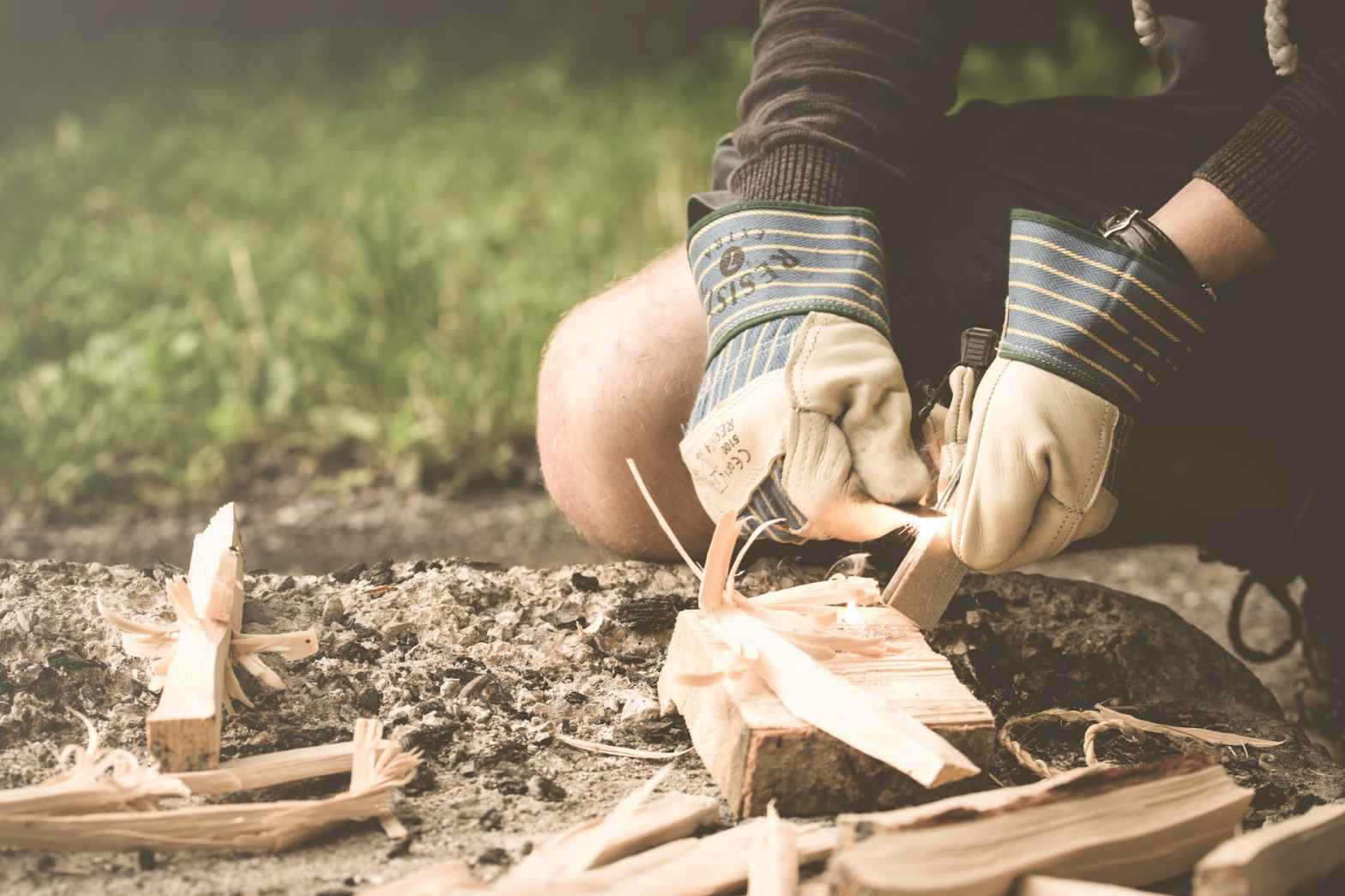
Fire Starter: Carry waterproof matches or a lighter for starting a fire.
Multi-tool or Knife: Useful for various tasks, including field dressing game.
Backpack
Pack with Frame: Choose a backpack with enough space to carry your gear comfortably.
Water and Hydration System: Stay hydrated, even in cold weather.
Snacks: Pack energy-rich snacks to keep you fueled throughout the day.
Communication
Mobile Phone: Keep your phone charged and stored in a waterproof case.
Two-Way Radio: Useful for communication in areas with limited cell service.
Hunting Accessories
Game Calls: Depending on the game you’re pursuing, bring appropriate calls.
Scent Control: Consider scent-eliminating sprays or clothing to reduce your odor.
Cold Weather Gear
Hand and Foot Warmers: Provide additional warmth in extremely cold conditions.
Insulated Blanket or Sleeping Bag: Useful if you plan to stay stationary for extended periods.
Thermal Underwear: Extra warmth for prolonged exposure to the cold.
Personal Items
License and Permits: Ensure you have all required documentation for legal hunting.
Identification: Carry a form of ID, as well as any necessary medical information.
Cash: Have some cash on hand for unexpected expenses.
Weather Protection
Rain Gear: Waterproof jacket and pants to stay dry during rain or snow.
Tarp or Ground Cloth: Useful for creating a dry sitting area.
Optional Items
Camera: Capture memories or document your hunting experience.
Binocular Harness: Keeps your binoculars easily accessible.
Hunting Seat or Cushion: Comfortable seating for long waits.
Conclusion
Before heading out, always check the local regulations and weather forecasts. Adjust your gear based on the specific conditions of your hunting area, and inform someone of your plans, including your expected return time. Being well-prepared ensures you can focus on the hunt and navigate the challenges of winter hunting safely and effectively.
 TwoFourSevenTravels
hey
cool blog 🙂 will give it a follow and a like !
https://jackrussellterriers.info/
LikeLike
hey
lovely blog hope all is well
happy blogging.
https://ketodietrecipes.co.uk/
LikeLike
Great Read Can i leave my thoughts ?! –
Thanks for reading , Love The Blog !!
Thanks – TheDogGod – https://pomeranianpuppies.uk/
LikeLike